- Mar 27
Meditation Matters
- Ms.Happie
- Mental & Emotional Wellness
Written By Keyana Happie
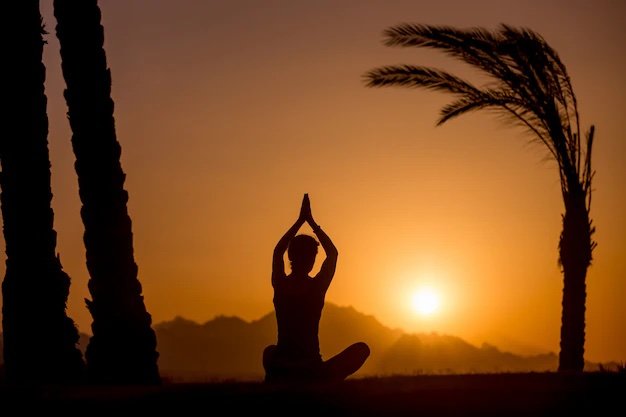
Meditation practices are used in cultures all over the world. Most religions, including Hinduism, Buddhism, Christianity, Judaism, and Islam, have some sort of tradition incorporating meditation. Meditation intends to be a psychotherapeutic practice with techniques that encourage heightened awareness and focused attention, which can help boost our physiological and spiritual well-being.
Below is a list of meditation practices that can be incorporated into your everyday life, promoting a sense of focus, reality, spiritual enlightenment, and well-being.
Yoga Nidra - Or Sleep Yoga
This Style of meditation that is all about relieving stress and finding rest.
When we sit with an increasing stillness of the body and attune our mind to the sky, or to the ocean, or to the myriad stars at night, or any other indicator of vastness, the mind gradually stills, and the heart is filled with quiet joy- Ravi Ravindra
Yoga Nidra promotes a profound state of relaxation- this form of meditation is extremely beneficial for finding productive rest, reducing tension, easing anxiety, and boosting the immune system. To practice Yoga Nidra, lie down on the floor in a Shavasana (or "corpse pose") while systematically bringing your attention to each body part, focusing on every part of the body with relaxed attention for two deep breaths. Yoga Nidra is intended to soothe the brain's cerebral hemispheres, allowing the delta brainwaves responsible for healing and restoration found while in deep sleep to be accessed while remaining fully awake.
To learn more about the practices of Yoga Nidra, follow the link below. This link will take you to another website.
Walking meditation.
Walking meditation originates in Buddhism and can be used as a mindfulness practice. Walking meditation is to scan your body movements as you walk, heightening awareness of your mental and physical states. Walking meditation can be done indoors or outdoors by walking in a circle, back and forth, or quietly alone in nature. The goal is to walk slowly and mindfully as you become aware of your movements and breathing patterns. Bring your attention to your feet, the ground below you, and the air around you, focusing on how walking feels.
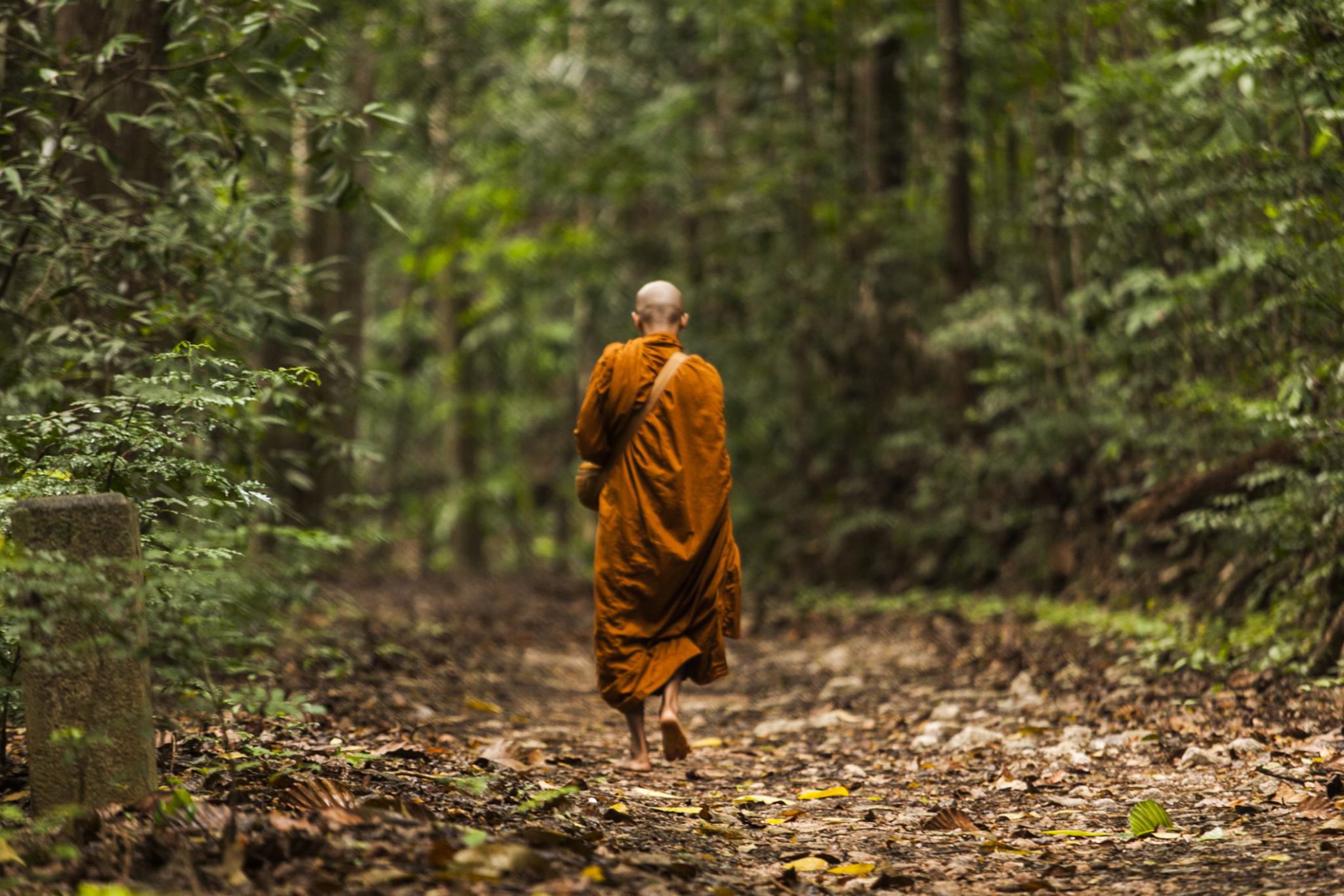
Benefits of walking meditation
- gratitude for mobility
- practicing mindfulness
- cultivating mental and emotional control
- decreasing stress
- promotes physical balance and strength
To learn more about walking meditation, you can visit the website below
Sound Meditation
Sound meditation -is the use of deep soothing sounds to induce deep relaxation and reduction of stress. The ultimate goal of sound meditation is to relax the mind and heal the body, making sound meditation an excellent tool for the relief of chronic migraines, sleep disorders, and depression.
Things to use during sound meditation
Singing Bowl
Binaural beats
Gongs
Tuning Fork
Om Chanting
Relaxation music
Focused meditation
Focused meditation's earliest origins come from Hinduism and Buddhism. The practice is uncommon to most other meditation styles, as focused attention meditation focuses on an object, sound, or sensation rather than attempting to empty the mind. It is a valuable tool for people who want to try meditation for stress relief and increasing awareness of the present moment.
Studies involving functional magnetic resonance imaging (fMRI) technology have found that focused attention meditation leads to increased activation in our brain's premotor cortex, the right dorsolateral prefrontal cortex, and the dorsal anterior cingulate cortex. These brain regions are associated with cognitive control, such as voluntary attention regulation, conscious decision-making, and the power to resist temptation. Additionally, the meta-analysis found that focused meditation decreased brain activity that has been linked with mind-wandering, anxiety, difficulty concentrating, ADHD, and Alzheimer’s.
These five steps to focused meditation come from https://www.verywellmind.com
Choose a target for your focus. Focusing on your breath is a good choice since it is usually the entry point to any meditation practice.
Get into a comfortable position. Sit upright. If you are sitting on a chair, sit right on the edge of it, relaxing into your pelvic bones with your feet on the floor. If you are sitting on the ground, preferably propped yourself up with a cushion or block so that your thighs are relaxed and your spine remains tall.
Relax your body. Loosen your shoulders and breathe from your belly. You can cross your legs, but you don't have to if you're more comfortable in another position, just as long as you can fully relax without falling asleep.
Turn your attention to your chosen target. Zero in on the sensations including the sound, smell, sight, and details of your focal point. The idea isn't to think about it but simply to experience it, being fully present in the moment. If you are focusing on your breath, for example, pay attention to the sensations you experience as you inhale and exhale each breath.
Calm your inner voice. If your internal monologue starts to analyze your target or begins to rehash stressful situations of the day, worry about the future, make a list for grocery shopping, or anything else, gently turn your attention back to your chosen target and the sensation it provides. You may be focusing on something, but the goal is to maintain a quiet mind.
Don't worry about failure. If you find your mind engaging you and realize that you’re not being fully present with the sensations of your chosen target, don’t let your inner perfectionist beat you up for doing it "wrong." Simply congratulate yourself for noticing and return back to the present moment and the sensations you're experiencing.
Tips for Succeeding With Focus Meditation
Don't give up before you start. If you feel your mind wanders too much or you don't experience enough, give it another shot, and explore why your mind may wander so much or why you lack to feel more present with your experiences. This is a practice that won't be perfect overnight.
Be consistent. Scheduling a meditation session for the same time each day will help you quickly incorporate it into your daily routine. Even if you can't choose the same time each day, still choose each day.
Start with short sessions. 5-10 minutes of mediation is an easy dedication
Reflection Meditation
In reflective meditation, we use active thinking rather than silencing the mind, like in most other meditation practices. During reflective meditation, you choose a situation, topic, or question to profoundly self-examine your feelings, thoughts, and emotions. The best way to do this is by journaling, sketching, or charting your feelings.
Why reflection meditation is important
reflect on goals we have previously set
Keep our words and actions in alignment.
becoming mindful of true desires and emotions
finding peace and contentment in the present
review and develop skillsets and talents
Questions you may ask
What does being present feel like in your body? In your mind?
From this place of grounded and precise attention, ask yourself, 'What's Important Now?
How can you be intentional with where you put your energy and attention?
What are your core values? Are you currently in alignment with those?
To learn more on reflective practices visit the link below.
Mantra meditation
Mantra meditation is most commonly found in Hindu and Buddhist traditions; these are spiritual words, phrases, or prayers that are repeated silently to ourselves. They are meant to calm the body and quiet the mind to improve concentration and restore the spirit.
You can use mantras during your meditation to,
reach higher states of consciousness
attract positive energy
receive clarity about your destiny
enter a deeper state of present-moment awareness
Examples that can be used to practice this meditation technique are..
"Om" - meaning: "It Is, Will Be or To Become"
"Soham" - or 'I am" This mantra is great for balancing the Root Chakra as it identifies oneself with the universe.
Om Namah Shivaya- "I bow to Shiva'. 'I send my adorations to Shiva.' Shiva is the supreme God of transformation. Chanting' Om Namah Shiviaya' is calling that all the negative energy around you be removed and you attract positivity.
Om Shakti - Shakti is responsible for the creation
Om Shanti - 'Peace be with you' This mantra may be one of the most well-known mantras
You can also create your own mantras by reciting phrases that may be powerful to you, such as
I am an instrument of peace.
God's way is in all that I do.
Let there be peace.
Peace begins with me.
Calm washes over me.
Fear does not define me.
You can also visit this website for more mantra examples. https://www.mindbodygreen.com/articles/mantras
Qigong
Qigong originates in traditional Chinese medicine and philosophy, with an aim to optimize the body, mind, and spirit's energy by improving and maintaining one's overall health and well-being. Qigong incorporates breathing techniques, exercise movements, sound, and self-massage.
The best way to practice Qigong meditation is by choosing the best path for you. Below, you will find a list of Qigong meditation paths composed by https://www.nqa.org/what-is-qigong
Clinical Qigong: Clinical Qigong Professionals, drawing upon their depth of training, study, and self-cultivation, can effectively use qi transmission methods and teach prescriptive Qigong exercises and meditations that are based upon a variety of diagnostic and assessment systems to restore health and wellness.
Personal Cultivation: All Qigong paths begin as a personal journey of self-discovery through movement, breath, and intention. Although some practitioners may independently determine how and what to practice, the NQA recognizes the benefits of working with an experienced teacher.
Health Qigong: A self-cultivation practice to prevent disease and to improve, sustain, and maximize overall well-being.
Clinical Qigong: A practice where the teaching of self-cultivation and clinical applications are intertwined throughout a curriculum wherein clinical abilities develop as personal cultivation evolves.
Martial Qigong: A practice that increases one’s defensive and offensive martial abilities.
Spiritual Qigong: A unity practice to increase a practitioner’s connection to the transpersonal—heaven, earth, humanity, and source.
7 Chakra Meditation
The Root chakra (Muladhara)
The Root chakra is located on the base of the spine, serving as the energy source that allows us to have the strength and courage to dig in, feeling firmly rooted and secure in a harmonious balance with life.
A blocked root chakra manifests physical pains in the lower back, causing feelings of exhaustion, sluggishness, and anxiety or panic attacks. You may feel as if you are rushing from one task to another, unable to get started or stay focused, and feeling stuck.
Many things, such as the following, can cause a blocked root chakra.
Too much stress,
negative thinking,
a lack of physical exercise,
not enough sleep
unhealthy diet
If you want to learn more about- the Muladhara-Root chakra, follow this link below.
Ways to unblock the root chakra
Movement- walking grounded in nature,
strengthening affirmations
Grounded meditation
Gardening
-
Eating heathy oils, nuts, and seeds.
The Sacral chakra (Svadhisthana)
energy center sits about 2 inches below the belly button and is known to be the second chakra in the body. This energy source harnesses creative and sexual energy. It also serves as an indicator of how our emotional energy relates to others. When the Secral chakra is awakened, you feel at home and in harmony with your body. A sense of confidence, generosity, and passion radiates through you, as well as heightened levels of intimacy, pleasure, and vitality.
Experiencing a blocked Sacral Chakra can be caused by stress, abuse, trauma, or unhealthy lifestyles. The energy source may make you feel overwhelmed or disconnected from yourself and others - Feeling anxious, alone, and isolated.
How to unblock the sacral chakra
Journal your thoughts and feelings daily.
Connect with flowing water.
Do some hip-opening movements.
Creative writing, such as poetry or affirmations,
Do activities that flow creativity: painting, playing an instrument, writing a short fiction story
Physical activities: Yoga, workout
Reduction of pornography and masturbation
Foods that help balance the sacral chakra are Mangoes, oranges, papaya, passion fruit, turmeric, and ginger. Water and clear fluids such as broth teas also stimulate healthy sacral activity.
Solar Plexus chakra (Manipura):
This chakra dominates the energy source of self-confidence and self-esteem. It boosts the ability to be assertive and decisive, cultivating inner wisdom and peace. The spiritual representation of this energy source is fire, preceding the power of transformation.
When there is a blockage in the Manipura energy source, there may be a feeling of exhaustion, aggression, insecurities, or negative thought patterns. The physical systems of a blocked third chakra may be high blood pressure, diabetes, eating disorders, gastric reflux, respiratory disorders, or a victim mentality mindset.
Ways to unblock the Solar Plexus chakra are to
aromatherapy
deep breathing exercise
Eat a bland diet.
Try new body movements such as yoga, a dance class, pilates, or aerobics.
Therapy to heal past trauma.
Surround yourself with bright colors such as yellow and Gold.
Wear healing stones like citrine, amber, yellow tourmaline, and tiger's eye.
Do things that boost your self-confidence- accomplish a goal, Vocational or physical, surprise a friend,
-
Adjust your posture- do yoga or posture-strengthening exercises.
To read more about the Solar Plexus chakra, visit the website below.
Heart chakra (Anahata)
The Anatha is the lower and upper chakras, balancing the material and spiritual worlds. It facilitates our emotional and physical well-being associated with feelings of the heart, such as love for oneself and the world around us -being filled with compassion, empathy, joy, and unconditional love. In Sanskrit, "Anahata" means unhurt, unstruck, and unbeaten. When the heart chakra is open, "You aspire to evolve as a human being, welcoming change and uncertainty in life. And as a spirit, you embrace your spiritual journey without running away from spiritual growth." - https://blog.mindvalley.com/heart-chakra/ (To further your understanding of the heart chakra, visit this website above)
To unblock the heart chakra
Take time to fill yourself with positive affirmations
Write out a daily list of gratitude
Partake in spiritual practices such as prayer, salat, worship, etc.
Heart center meditation or loving-kindness meditation.
Drink heart-opening beverages like rose tea and cacao.
Throat chakra (Vishuddha)
The fifth chakra in our body's energy system is the Throat chakra. The throat chakra is, just as it sounds, our communication system. The power of self-expression governs this chakra, with the ability to articulate oneself positively and confidently. An awakened throat chakra enhances the opportunity for leadership, creativity, and poise.
Symptoms of an imbalance in the throat chakra are sore throat, thyroid issues, gum disease, hearing difficulties, problems communicating thoughts and feelings appropriately, and lack of self-worth.
Ways to heal the throat chakra are
neck stretches
throat chakra stones: Aquamarine, Lapis Lazuli, Amazonite, Sodalite, Blue Lace Agate, and Blue Calcite
try reiki https://www.healthline.com/health/reiki
Journal the things you are afraid to say
Speak your inner truth always.
Try sound meditation https://soundcloud.com/spiritualmoment/vishuddha-chakra-throat-chakra-healing-639-hz?utm_source=clipboard&utm_medium=text&utm_campaign=social_sharing
Third Eye Chakra (Ajna)-
This chakra is located in the center of the forehead, parallel to the middle of your eyebrows. The center of energy linked to Ajna is wisdom, inner peace, and deepening your spiritual connection. When our Third eye is enlightened, we are in harmony with our emotions, awareness, and perceptions.
When the Third eye is blocked, feelings of confusion, uncertainty, cynicism, and lack of purpose will arise. A blocked third eye can also cause mental health concerns, such as depression, mood swings, telepathy, and lucid dreaming.
To learn more about the third eye chakra, you may visit the website below or others like it.
https://www.arhantayoga.org/blog/ajna-chakra-your-third-eye-chakra-awakening/
Crown chakra (Sahasrara)
Located above the crown of the head, it acts as the center of enlightenment, wisdom, universal consciousness, and connection to higher guidance. The crown chakra is our highest potential. It is the center of overall well-being and creation, unifying a sense of community, divinity, and harmonious connections.
Blocked energy of the Sahasrara is often associated with physical symptoms such as poor coordination, physical exhaustion, headaches, dizziness, brain fog, and sleep disturbances. Mental and emotional symptoms can be hyper-spiritualization, lack of connection to humanity (https://viralbeliever.com/hyper-spiritual/), depression, and inability to focus or learn.
Ways to unblock the crown chakra
Body movements
Headstand- get blood flow to the top of the head
Visualization meditation
-
journal- find clarity in thoughts
Check out Bettersleep.com for more ways to open your crown chakra.
I hope that you found these meditation resources helpful. Most people who meditate do it for a reason; whether it's relaxation, stress relief, self-care, or sharpening their attention span. Whatever your reason may be, there are a variety of meditation styles that can support you in cultivating better mental and emotional care for yourself.
As someone who lives with ADHD and insomnia, I’ve found that Yoga Nidra works especially well for me. It’s a deeply restful practice that helps quiet my racing thoughts and calms my nervous system in a way that other styles haven’t. I often turn to it at night or during overwhelmed moments in the day. For me it feels like a reset button for my brain and body.
However, there’s no one-size-fits-all when it comes to meditation. The key is finding a style that aligns with your needs and feels approachable. Whether you're just beginning or exploring new techniques, know that your path is valid, and your well-being is worth the time and effort put into daily meditative practices.