- Jul 23, 2025
Thinking Errors: How Cognitive Distortions Shape Your Reality
- Ms.Happie
- Mental & Emotional Wellness
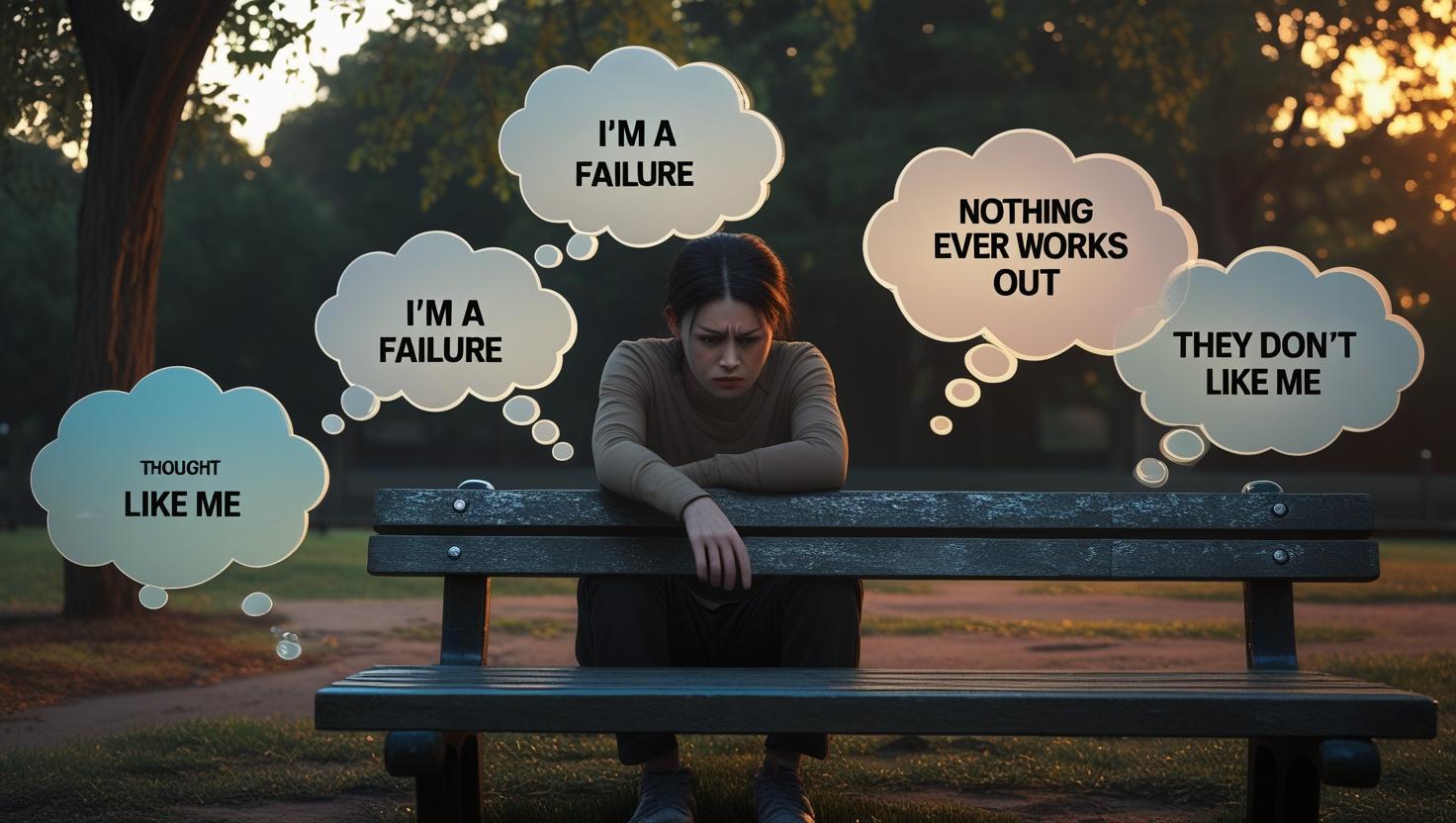
Have you ever been in a situation with a different turnout than you initially believed you wanted?
In those situations, did you ever wonder,
"What could I possibly be doing wrong?"
"I tried all that I could, but nothing is working."
"Why don't people listen to me, understand me, or agree with me?"
"Why aren't people doing what I feel is expected, right, or fair of them?"
"Why aren't things going how I want? Things never work out how I want, or nothing is ever good enough."
Has any of these situations ever left you feeling remorseful, guilty, shameful, in rage, let down, or to blame over how these circumstances concluded?
At any time, did you ever feel that the situation was no longer in your control or that it be rendered unchangeable?
I'm sure you can find some situations in your life that you have had similar feelings towards. I mean, that's life, right? We have all had things turn out differently than we initially wished for, which can easily cause us to feel things like shame, guilt, inadequacy, unworthiness, lack of control, etc.
Often times in the midst of our circumstances, we may perceive these feelings and emotions as valid or fact, causing us to act or react in a corresponding manner. This is called a cognitive distortion or thinking error.
Cognitive distortions, by definition, are
irrational,
inaccurate,
or imprecise
thoughts, perceptions, and beliefs- that contribute to uncomfortable emotions and unwanted behaviors or outcomes.
Cognitive distortions are unfortunate because they are often times unconscious feelings and emotions. Yet, they play out automatically, constantly, and continuously. We are often unaware of how our feelings dictate our actions and create our outcomes. We mistake the difference between our right to have specific thoughts and feelings and those particular thoughts and feelings actually being right.
We all know that just because we were late to work and got fired doesn't mean we are inadequate, lazy, a failure, and should never work again. Just because our partner cheated on us and we chose to end a relationship doesn't mean we are unlovable or undesirable.
Yet, often, we soak in the feelings of what went wrong or what is currently going wrong, causing us to lapse in judgment or thinking. Hints the term thinking error.
I personally prefer the term thinking error over cognitive distortion. An error is an occurrence that can happen to any of us. An error is also something we have the power to correct.
Below you will find a list of thinking errors, distortions, and fallacies that most of us have experienced throughout our lives and will continue to experience if we do not at least form a firm understanding and awareness of their existence. In order to gain power over these thinking errors we must first know that they exist and acknowledge them.
Once our minds become aware of the thinking errors we may have encountered along the way, we are no longer strangers amongst one another. Our minds will know how to greet and acknowledge them correctly the next time we meet.
The best practice is to review this list of thinking errors, and apply yourself and your past experiences to them. Acknowledging past contributions of mental mistakes allows us the opportunity to place our first mental caution sign, which will heed a warning to your future critical thinking errors.
Heavens reward fallacy-
A mythical assumption that all your good deeds should gain back good karma and positive reward. There is usually an unconscious bitterness or resentment when said karma does not return as you expected.
I have worked hard this year; I will get that raise. (usually, when said raise does not occur, you will storm into a rage with threats to quit.)
Giving charitable donations, then coveting unexpected or unexplainable financial assistance when in hardship.
Someone who believes they have struggled or suffered enough in life so God/the universe has no choice but to grant them success and a promising future.
What to do
Recognize when this is a thinking error. ~It is excellent to do positive, good deeds. It is also great to believe in positive outcomes for yourself. Remain mindful, and focus on doing the right things, regardless of the potential outcome.
Look at things more objectively, as if doing good is just that, doing good!
Show gratitude when positive outcomes or "good karma" comes back to you. Discontinue any emotions of animosity or grievance you may feel when things don't go your way.
Continue to do good, and reach for better.
Fallacy of change

The fallacy of change is a delusive assumption that implies simply because you want or think someone should change their behaviors or thinking patterns; they must do so.
Believing that if an alcoholic loved God or his family, one would simply stop drinking.
A new boyfriend disapproves of his girlfriend's preowned wardrobe and thinks she should dress more accustomed because she is now with him.
A wife staying with an abusive husband, her family begs her to leave, but she believes her husband loves her, needs her, and will stop the abuse someday.
What to Do
Identify whether or not this change is genuinely in your control.
Understand your happiness is up to you. Whatever that means for this situation or circumstance. Do what you believe is best for you while understanding others should also do what they believe to be best for them.
Understand that believing someone should change what makes them happy to appease our happiness or satisfaction is unrealistic.
If the situation is deemed unaltering, examine reasons to continue navigating through these circumstances. If there are reasons to continue, explore how to do so. ~ But make sure you have disregarded your initial preassumptions.
The fallacy of fairness-
The belief that all things in life should be fair for everyone. We are no different from one another and deserve to be treated no differently - no one should have special treatment or privileges over anyone else.
"Under no circumstances should he get to pick first because he's younger."
"Nothing in life is free." - they give me something, then I will owe them later.
The fallacy of fairness is often expressed in conditional assumptions:
- "If he loved me, he would call me more."
-"I work all day for this family; you should at least cook and clean."
What to do?
Become aware of this thinking error and when it is in action.
Understand that fairness is not always constitutional or absolute. Fairness is based on one's perceptions. What you perceive as fair may not be thought of as such by someone else.
Take things as they are, and release your remorse towards what you believe they should be.
Learn to be more adaptable and a 'team player' in situations, especially those with little relevance or significance.
Control Fallacies

Control fallacies can go one of two ways.
A negative notion that you should be held responsible and in control of every situation or circumstance. Feeling self-reproached and remorseful when things go wrong.
You think everything in your life is out of your control. Things just happen to you at no fault or ownership of you. You believe you can not change fate for the better; things are what they are.
1.
"I didn't score one goal the whole game. I let the team down."
"My girlfriend is always depressed. I don't think I make her happy."
Your 10th grader is always late for school because you didn't wake them up.
2.
"I don't have a job because no one will hire me."
"I got pulled over, and that damn officer gave me a ticket."
"My wife and I can't seem to get along. I don't know what's wrong."
What to do
In every situation, thoroughly weigh the authentic limit of your control. Ask yourself, how much control do I really have over this situation? What can I or can I not do?
Examine the control you believe you have even further, and ask yourself what makes me(and only me) have this control or responsibility. (or is the responsibility and blame also to share with others)
If you believe you have no control, allow your mind to roam the possibilities of control. What would the chances of outcome be if you were brave enough to hold responsibility for this situation, circumstance, or outcome? Allow your mind to make a list of all options available for you.
Discounting the Positive or Mental filters -

Both tie into refusing to see the positives in any situation, always focusing on the negative aspects that have occurred or may occur in the future—disregarding our emotional pleasures and solely concentrating on dissatisfying objectives.
Complaining about your child's B+ while discounting a report card full of A's
"I'm not happy I got a new car; now I have to pour gas money into that."
"No one in this house ever appreciates the things I do."
What to do?
Realize when your negative behaviors and thinking patterns are affecting your conditions.
Analyze your authentic belief in this negative ~ Identify exactly what you discount, then examine all the evidence and reasoning for dismissing this as a positive. ("Im not happy I got a new car"- Discounting the car.: Evidence and reasoning - Now you need gas money.) ....Is this really a negative? How did you get around before? Did that cost you money?)
Every day choose to look for the positive in life all around you. ~Throughout your day, find 5 things around you to be optimistic about. Say them out loud as you notice them, or tell them to the person next to you. ~ Find things you may initially deem as unfavorable and turn them positive. : "Your bedroom isn't looking so clean right now, but I greatly appreciate you washing the dishes and taking the trash out."
Believe in the positive you speak. Notice how it may begin to redirect certain circumstances.
Mental filters and discounting of positives can be a problematic distortion to render once set in stone; CBT- Cognitive behavior therapy can assist because it aims to identify negative patterns and replace them with new thought patterns.
Emotional Reasoning-
A cognitive process of being so strongly influenced by your emotions that you assume they possess truth or fact despite the inverse perceptions and reality.
I feel or I believe; therefore, it must be the truth.
Seeing the movie Final Destination and then becoming terrified of roller coasters, thinking they may break down. "If I ride a roller coaster, I will die."
"I feel like an inadequate girlfriend; there is no way my boyfriend actually wants to be with me."
"Jesus Christ is the savior. You will go to hell if you do not believe in him."
What to do
Acknowledge and assess when and why this thinking error is occurring.
Accept the perception of others.
Ask yourself, is this undoubtedly a fact, or is this just an emotion/perception I have?
Accept your truth as your own and others' as their own; accept the truth that reality presents. Do what you can to navigate through this new reality.
Confirmation bias
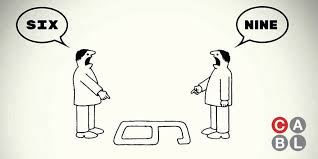
Believing or fixating on information that provides supporting evidence to the information you already believe to be the truth."
A woman has the better quota to gain promotion to an upcoming position, but the boss chooses the male candidate because "men make better leaders."
Intermingling with others or joining groups who believe in your faith is the only way to salvation.
Researching information that supports your beliefs. ~ You may believe Walmart is a better store than Target. You spend ample time reading reviews on how great Walmart is while only reading two reviews on Target. One of them is from a shopper with a bad experience.
What to do
Stop and assess your thoughts.
Is this thought perception of my feelings or an undoubtable fact?
If you are to research, research every angle of possibility with a fair and open mind.
Overgeneralization & Labeling
Both of these thinking errors have to do with attaching a specific characteristic excessively to a particular subject.
Overgeneralization
Having a not-so-good run-in with the police or knowing of people with a similar likeness to you having trouble with the police and concluding them all to be wrong.
"ill never have friends." "I am too antisocial"
"I don't like cats; they are sketchy and high maintenance."
Labeling
You see two men holding hands and refer to them as homosexual.
Someone is denouncing their belief in Christianity, and you proclaim them atheists.
"Sarah is a moocher who only comes around when she needs something."
"I can't focus on school. I must be dumb."
What to do?
Identify the thinking error. Is the label or generalization pure or bias concluding?
Understand that one situation does not conclude the outcome of all cases. ~ Labels hold no weight over one's true/purest identity.
Think of all the possibilities for this outcome -Choose thoughts opposing your ideas. If you know a friend/ neighbor/colleague with a cat, ask them how they like owning one. Ask why one may not believe in Christianity.
Dichotomous thinking. aka All or nothing

All-or-nothing thinking is a negative thinking pattern common in people with panic disorder, depression, or other anxiety-related issues.
This thinking error is related to seeing things in either black or white. Good vs. evil, left side or right side, there is never an in-between for possibilities. Either it will go well, or it will go wrong.
"I will not try out for the audition because I know I won't make the cut."
Viewing people as either rich or poor, with no existence of middle-class.
"People who go to college are smart and successful."
"I skipped my workout today, so I will have a full cheat day and pick back up tomorrow."
What to do
Stop, breathe, and release the anxiety.
Optimistically think of the most favorable outcome that could happen for this situation.
Mentally create venn-diagrams for your thoughts, putting subjects in multiple different boxes or categories
Face your fears and the unknown. Face possible rejection, face possible favoritism.
Personalization
Wrongfully attesting yourself to be the cause of action for a negative situation, even if the blame does not belong to you.
"I am the reason the team lost the game."
They are disappointed that the food was terrible; I picked this restaurant."
"They didn't invite me out again. I don't think they want to be my friends."
What to do?
Ask yourself, is this situation really about me? Am I the actual blame?
Think of other targets to place blame... Who or what else could have caused this occurrence?
Release responsibility and guilt from yourself. (even if you are indeed to blame. Carrying guilt and shame is neither healthy.)
-
Allow yourself to move on from this situation.
Catastrophizing, Jumping to conclusions, and Mind reading.
All three thinking errors involve predicting and fixating on predetermined perceptions of a negative outcome and treating them as if they have already occurred.

The boss is calling me into the office. I have been late two times this year, i know he's about to fire me."
"I'm not going to pass this test or this class. I am just going to drop out before they kick me out."
-
"He came home from work upset again, went straight to bed, and closed the door. Maybe I bug him, or he doesn't love me anymore."
These thinking errors often live in the future, which is something we don’t know will happen. The trouble with living in the future is it prevents you from living at all. Why take action, have that conversation, or fix situations when you’ve already seen and heard the outcome in your mind.
What to do?
Stop predicting and predetermining the future (anything is possible)
Communicate before assuming.
Think of all the possible successful outcomes. (stay optimistic about those outcomes)
Ask yourself, what could I do to prevent the worst-case scenario?
Remind yourself of your victories, do not allow yourself to feel defeated or like a failure.
unreal ideal or Unfair Comparisons

To compare a subject unrealistically to another, even if one subject may have specific advantages. Comparing the positive vs. negative points of an issue, ensuring the negative outweighs the positive.
Comparing your lack of wealth to Miley Cyrus, when Billy Ray Cyrus is her father, while Joe the mechanic is yours.
Comparing your looks and body image to those you find have a significant attractiveness, those outside of your similar genetic makeup, or those with cosmetic surgeries.
Comparing what you and your loved ones can provide to one another without considering their means of contribution.
This is a widespread thinking error that many people make subconsciously. These examples are drastic, yet the number of times we compare ourselves in a day seems unreal. It is as easy as walking through a grocery store and noticing someone's shoes look nice, then contemplating how the kids need new shoes, which might be expensive for the budget. It's hard to stop comparing ourselves when we live in a world where everything is compared and contrasted. Everything is better than something for some reason.
What to do?
Realize that the two things you may be comparing are not equivalent/relevant to one another.
Ask yourself what good is comparing these two things doing me.
How can I change this thinking error of comparison into a better one? "Example- Even if Miley Cyrus didn't have such a fantastic voice, she was born into stardom, riches, and fame, while I was not. This comparison is Unrealistic; I will gain my success and wealth through___."
I hope this list of critical thinking errors opened your mind, allowing you to reflect on how some of these errors may have changed the trajectory of your desires at some point. As you were reading this, I'm sure you thought to yourself, 'I know someone who thinks just like this, or ‘Wow, I have had similar thoughts before.’ Maybe you acknowledged that you still have an attachment to some of these thinking errors, which is okay because we all do. The key takeaway here is identifying their existence. When we have a more profound knowledge of the thinking errors that may be critical to our situations and outcomes, we can begin to notice them more as they appear.
Unfortunately, we do not usually notice our thinking errors until after they have occurred. However, the upside to this is it allows us to practice mindfulness and study our way of thinking over time, gradually changing it for better outcomes in the future. After all, our thinking patterns and behaviors didn't just form overnight. Several elements have played a part in constructing how our minds perceive the world and the outcomes of life.
If you find yourself in a situation, disagreement, or things not going your way, come back and look at the list of thinking errors. Determine what mental contributions, or lack thereof, you are making to the situation.
Choose to grow from there and be mindful of changes (what to do) that are needed to have a more favorable outcome.